

Introduction
This case study outlines the high level archaeological and heritage review that our team have recently conducted for a private residence in the historic market town of Wallingford, Oxfordshire. The property is located within a designated Conservation Area and in close proximity to some Scheduled Monuments relating to the Saxon town, the Town Walls, and Wallingford Castle, which present both opportunities and challenges for the homeowner.
Archaeological and Heritage High Level Review
Oxfordshire County Council
The purpose of this high level review was to assess the potential archaeological and heritage constraints and provide clear options for the homeowner’s future development plans whilst ensuring compliance with local and national legislation and policy. The review was commissioned to inform the architectural design process and the feasibility of the options that could be explored.
Background: Wallingford’s Historic Context
Wallingford is a town rich in history, with its origins dating back to the Anglo-Saxon period. The town features multiple sites of historic importance, including Scheduled Monuments protected under UK law. As the home in question is situated near these key heritage assets and falls within a Conservation Area, it was essential to conduct an initial archaeological and heritage review before any development design options could be considered.
Challenges Faced
The homeowner approached us with the desire to explore potential development options for their property, including the possibility of extending the current property, garden works, and additional structures within their grounds. We advised them that any design process must be heritage-led given the key challenges as follows:
- Conservation Area: Development in this area is subject to strict controls aimed at preserving the architectural and historical integrity of the town.
- Scheduled Monuments: The home is located within proximity to a number of Scheduled Monuments, requiring a review of potential physical impacts to archaeological remains and a consideration of the setting of each monument.
- Potential for Unrecorded Archaeology: Given Wallingford’s rich history, there was a risk that previously unrecorded archaeological remains could be discovered during any ground disturbance, which would need to be carefully managed and appropriate permissions sought.
Solution: High-Level Archaeology and Heritage Review
Our team provided a high-level archaeology and heritage review to help the homeowner navigate the complexities of their property’s location. The review included:
- Desk-Based Research: We conducted a high level review of historical records, previous archaeological investigations in the immediate area, and relevant local and national heritage databases. This research allowed us to understand the setting of nearby heritage assets and to assess the potential for any known or unknown archaeological remains within the property grounds.
- Conservation Area & Scheduled Monuments: We considered the Conservation Area and Scheduled Monuments to understand the constraints which these designated heritage assets may impose. This included the potential impact of development options on the visual setting of these nearby heritage assets.
- Archaeological Potential: We considered the potential for archaeological remains to be present and disturbed by each development option, as well as the likely significance of those remains and whether these would provide a constraint or could be addressed through appropriate fieldwork options.
- Review of each development option: We concluded with a review of each development option and its feasibility in relation to archaeological and heritage considerations.
Recommendations and Options for the Homeowner
The findings from our review can be summarised as follows:
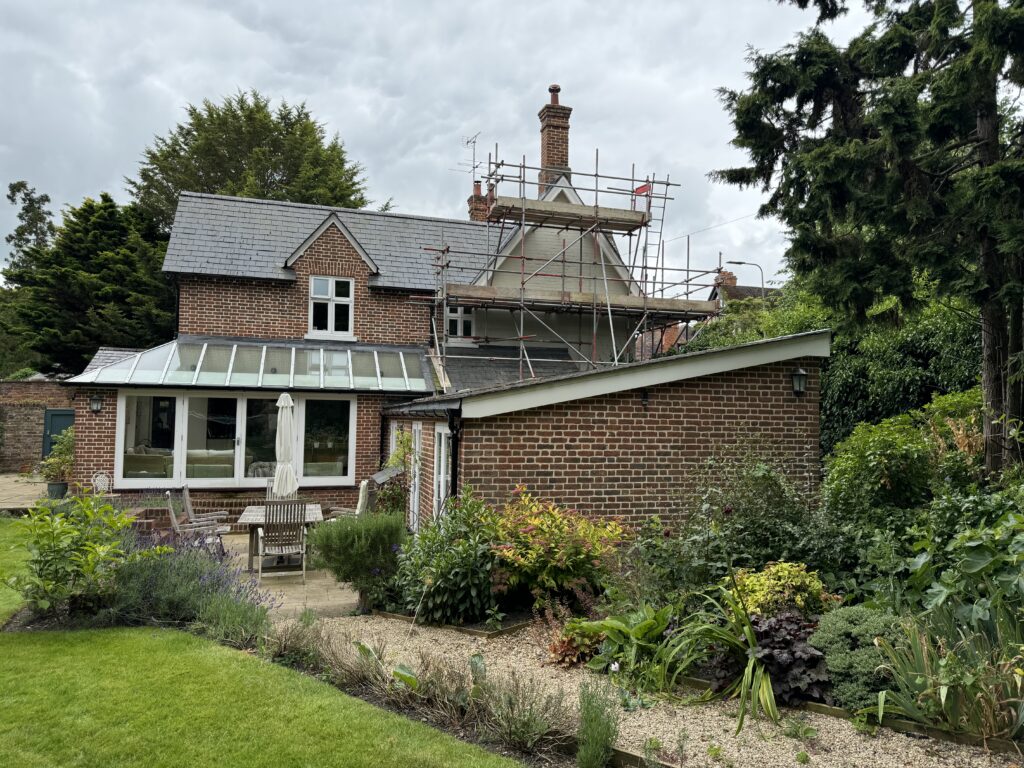
- Property Extensions: This was considered likely to be the most challenging aspect of the proposals, given that it would have the most clear and obvious impacts to the Conservation Area and nearby Scheduled Monuments. This would be as a result of a change within the setting of these heritage assets.
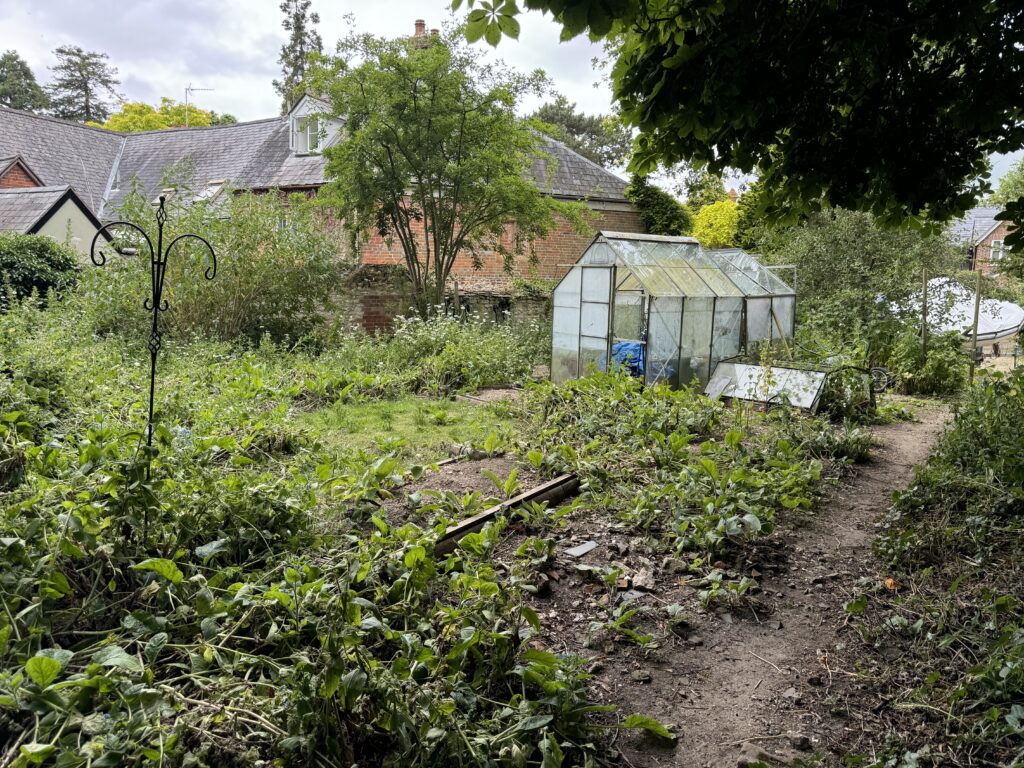
- Garden Works including replacement patio and new garden wall: It was concluded that much of this area had been subject to ground reduction during a previous phase of works and that this element of the proposals would likely be acceptable.
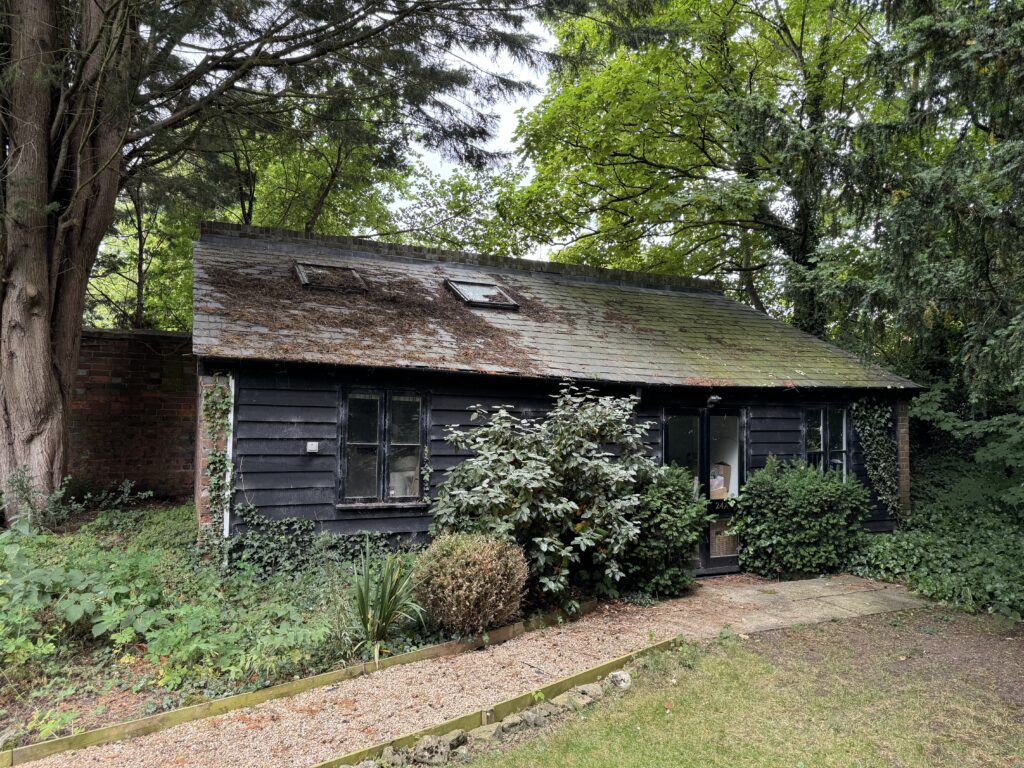
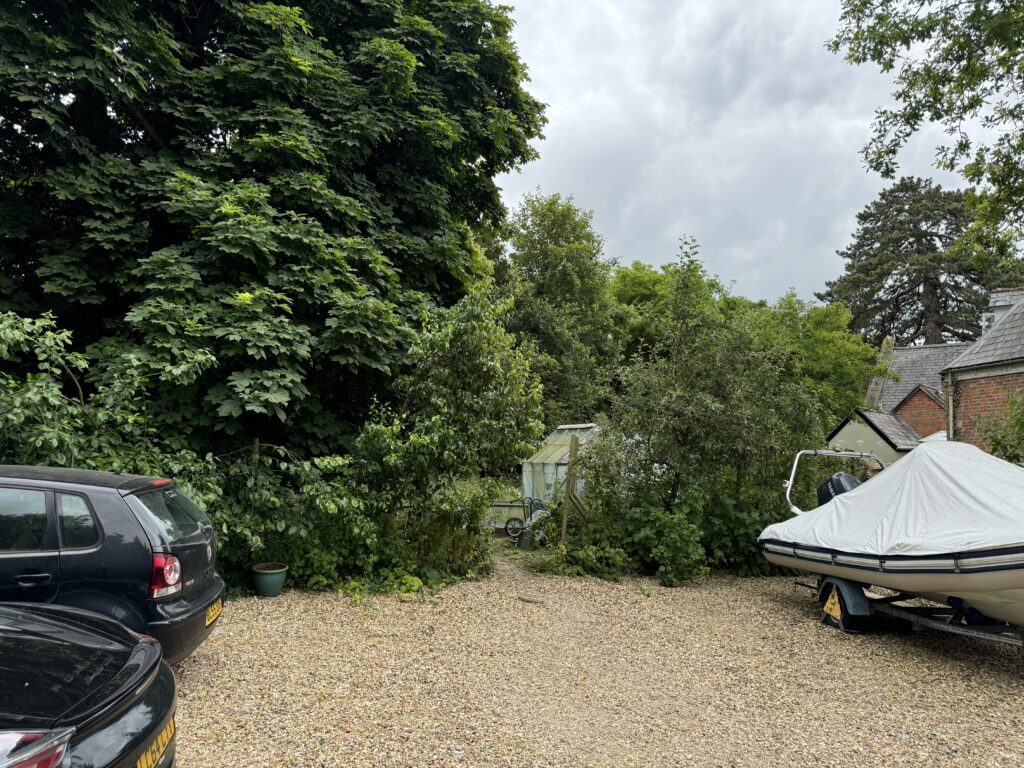
- New buildings within the property grounds: There were two options considered here, comprising refurbishment of an existing garden annex or its replacement, and a new garage option. The annex refurbishment option was considered a net positive, given that the existing building had fallen into disrepair. The replacement of the annex option was considered to require additional justification given the potential for archaeological findings, however it was concluded likely to be agreeable subject to sensitive design. The new garage option was judged likely to be acceptable subject to sensitive design and archaeological work.
- Archaeological Monitoring: For any groundworks, we advised the homeowner to anticipate an archaeological watching brief during construction to ensure that if any archaeological remains were discovered, they could be appropriately recorded and preserved.
- Pre-Application Consultation: We encouraged the homeowner to engage in early consultation with relevant consultees to discuss potential development plans and receive guidance on archaeology and heritage considerations.
Conclusion: Navigating Archaeology and Heritage in Wallingford
The high-level archaeological and heritage review provided the homeowner with a clear understanding of the constraints and opportunities associated with their property in Wallingford. Our research ensured that any developing proposals would be respectful of the relevant constraints and comply with relevant regulations. By presenting a range of options and clear recommendations, the homeowner is now well-equipped to move forward with their plans while safeguarding the unique heritage of Wallingford. We look forward to providing further advice as the proposals develop.
This case study illustrates the importance of early engagement with an archaeological and heritage professional in historically sensitive areas, ensuring that modern developments can coexist with the preservation of our shared cultural heritage.
