

Introduction
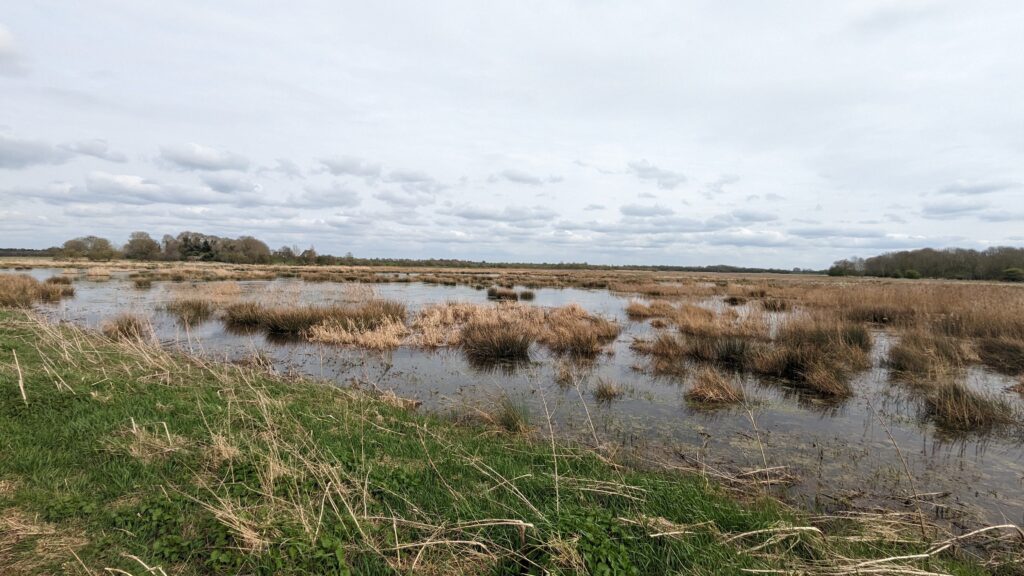
HEA are delighted to have acted as Heritage and Archaeological Advisors on a proposed project that aims to enhance biodiversity by creating a habitat mosaic and wetland system, with the broader goal of restoring the former fenland landscape.
The site under consideration for this project is located in the Fenlands, a region with a rich history of human activity and significant archaeological potential. Our client approached us for advice on the potential archaeological and heritage impacts of their proposals.
Historic Environment Desk-Based Assessment (HEDBA)
Fenland District Council
We were approached by the client to support the above works for submission to Fenland District Council.
As part of the initial planning process, we undertook a comprehensive Historic Environment Desk-Based Assessment (HEDBA). This assessment was crucial to understanding the potential impact of the proposed works and to demonstrate their acceptability. The restoration project focuses on re-establishing the natural water table levels, which play a key role in the region’s ecological and archaeological integrity.


Archaeological Background
Extensive archaeological fieldwalking has been previously conducted across the site, primarily as part of the Fenland Survey Project. This project identified a range of archaeological finds, reflective of those found in the wider area. The majority of these finds date broadly to the prehistoric periods, with a significant number being characteristic of the Neolithic and Bronze Age.
The site’s archaeological potential is therefore particularly vested in its historic exploitation by past human populations. The Fenlands have long been a landscape of human interaction, serving as both a resource and a habitat. The presence of extensive peat deposits across the site further indicates the potential for well-preserved archaeological evidence. These peat layers have the capacity to encapsulate and preserve organic materials, offering a unique window into the environmental and human history of the area.
Findings and Implications for the Project
The DBA has concluded that the proposed biodiversity enhancements are likely to have a positive impact on the site’s archaeological resources. By restoring and maintaining the wetland environment, the project will help prevent the drying out of underlying peat deposits. This is crucial, as the desiccation of peat can lead to the degradation and loss of valuable archaeological evidence.
Given the presence of these deposits, it was suggested that any future excavations or disturbances associated with the project could be suitably managed as part of the proposals. This would most likely entail an archaeologist monitoring relevant excavations, for in particular sub-surface bunds, to ensure that any finds are appropriately managed and recorded.
There were no further heritage assets considered likely to be subject to any impact as a result of the proposals.
Conclusion
The Historic Environment Desk-Based Assessment indicated that the proposed wetland restoration and biodiversity enhancement project will be beneficial in preserving the archaeological integrity of this Fenlands site. By maintaining the waterlogged conditions, the project will protect the underlying peat deposits and the archaeological evidence they may contain. The restoration efforts will not only enhance the ecological value of the site but also contribute to the conservation of its rich historical legacy. The careful monitoring of any excavation works will further safeguard the archaeological potential of this historically significant landscape. Our desk based assessment has therefore successfully supported our client’s proposals, with the conclusions of our report accepted by the County Archaeologist.
Contact Us
Contact us today at 0808 164 1288 or email hello@hea-llp.com to speak with one of our specialists. We look forward to supporting your project!
