

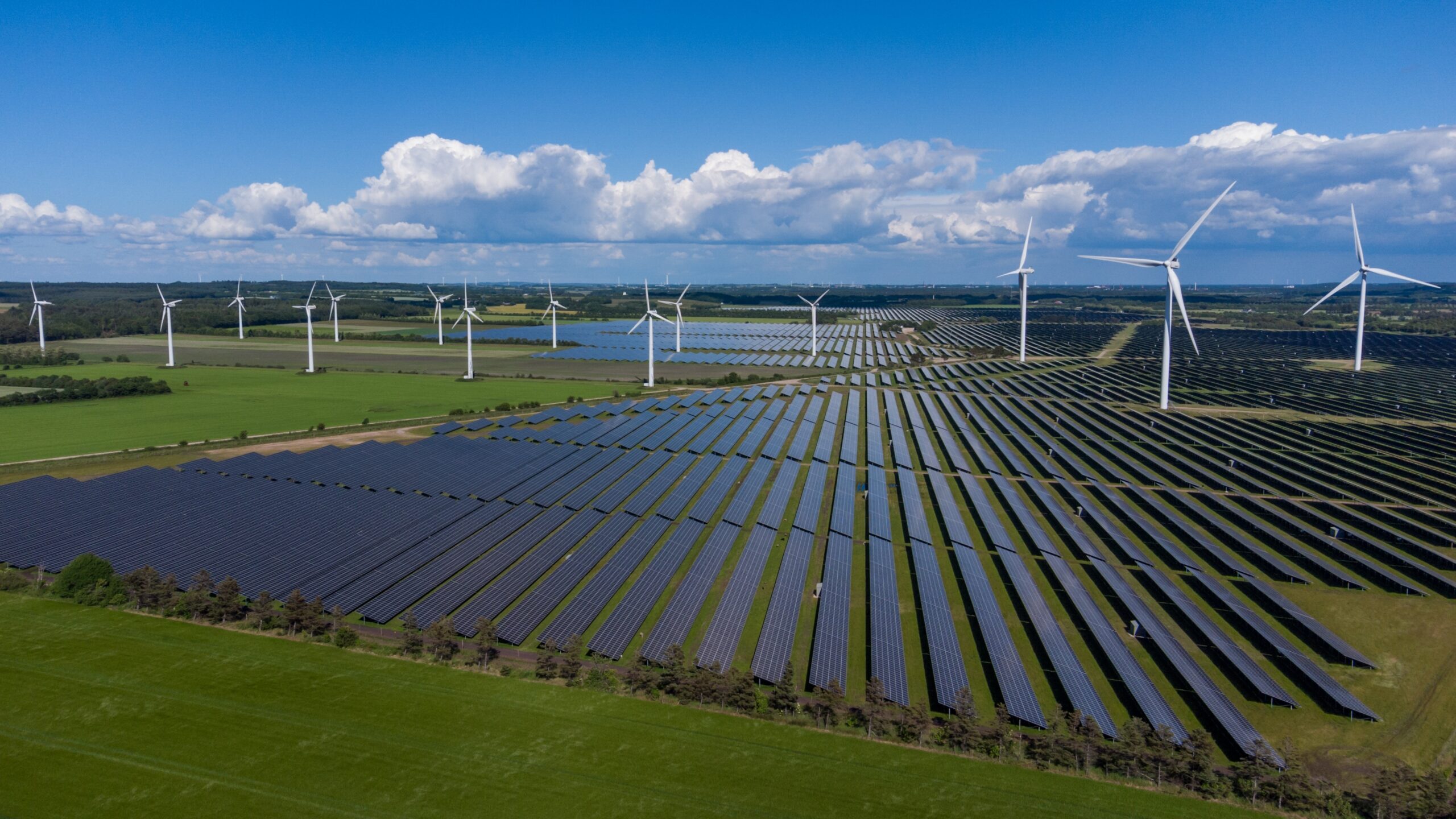
How is the Government Weighting Historic Assets Versus Solar Farms and Battery Energy Storage Systems (BESS) Schemes
H ow is the Government Weighting Historic Assets Versus Solar Farms and Battery Energy Storage Systems (BESS) Schemes.
It’s clear that the intersection of green energy projects and heritage preservation presents a complex challenge. Balancing the need for sustainable energy with the preservation of both historic landscapes and assets requires careful consideration.
The United Kingdom is renowned for its picturesque villages, outstanding landscapes, and historic architecture, which all contribute to our national identity. At the same time, the need to provide green energy to supply our nation with carbon-free and home-grown power has become a top priority for the government to provide the nation with secure and green energy.
With the demand for new sites soaring, the constraints facing energy suppliers are often wide and varied – the impact on heritage and historic landscapes is just one such constraint that HEA Partners LLP are actively striving to solve in partnership with energy companies and communities alike.
There is a new trend in recent appeal decisions, where the Government’s Planning Inspectorate have overturned the Local Government’s decision and allowed new green energy developments, underscoring the growing recognition of renewable energy as a significant public benefit. In particular, a recent appeal decision released in December 2023 upheld a new solar farm located adjacent to assets of historic significance on the basis that the provision of renewable energy afforded substantial weight in favour of the proposal as a public benefit. Despite the ‘Great Weight’ being afforded to the neighbouring heritage assets (which included a grade I listed church and grade II* listed house), the public benefit – which also included addressing the negative impacts of climate change and UK energy security – was considered on balance to offset the less than substantial harm identified to the setting of nearby listed buildings.
Often, the suggestion of a large solar farm or BESS (Battery Energy Storage System) in the local neighbourhood sparks dread which encourages misinformation amongst the community. Engaging with heritage consultants at an early stage of the process can help guide the design of the site to ensure that impact to visual receptors is minimised and harm to the significance or settings of heritage assets is negated. Advice on mitigation is also invaluable at this early stage, to help preserve listed buildings, conservation areas, scheduled monuments and registered parks and gardens.
Our Heritage and Archeology team here at HEA Partners LLP have been instrumental in the success of many energy projects across the country and would be happy to provide an initial telephone consultation to discuss future projects.

In summary, the challenge of providing green energy while preserving our rich heritage requires a delicate balance and proactive engagement with experts. The recent appeal decision suggests a positive trend toward recognising the importance of renewable energy as a public benefit, but effective collaboration remains key to addressing the varied and important constraints of the historic environment.
Our Heritage and Archeology team here at HEA Partners LLP have been instrumental in the success of many energy projects across the country and would be happy to provide an initial telephone consultation to discuss future projects.
